
Red Rice 1 Kg
Non-returnable
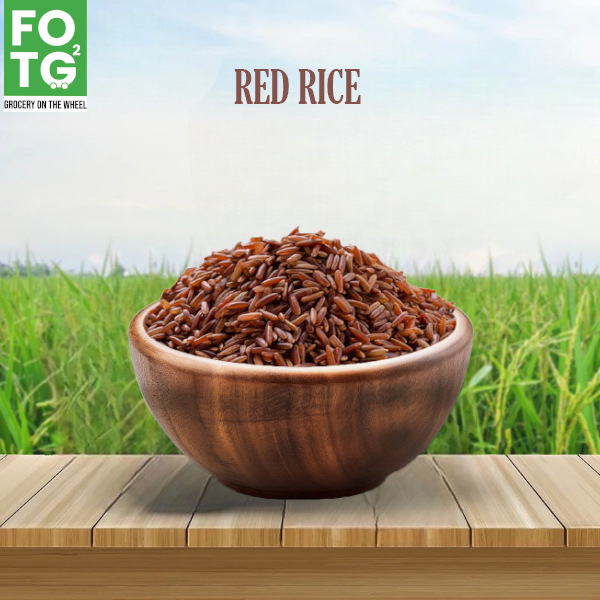
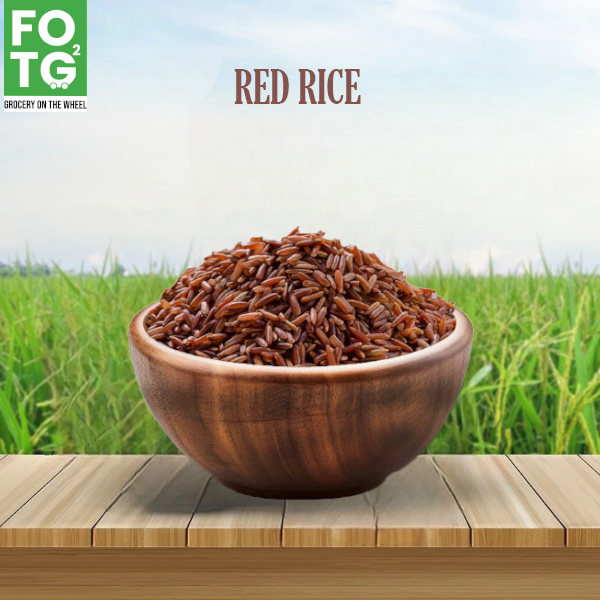
Red rice is prepared from trampled red rice. Red rice is easily digestible and is great for an evening or morning snacks.
Nutrition Facts (Per 100g serving, uncooked)
Red rice is a dense source of minerals and complex carbohydrates.
| Nutrient | Amount (approx.) |
| Calories | 355 – 360 kcal |
| Carbohydrates | 70g – 75g |
| Protein | 7g – 8.5g |
| Fiber | 3.2g – 5g |
| Fat | 1.5g – 2g |
| Iron | 2mg – 5mg |
| Magnesium | 120mg – 150mg |
| Glycemic Index (GI) | ~50 – 55 (Low) |
$3.25 $3.50
Choose Quantity
Product Details
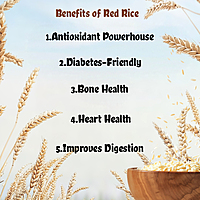
Key Health Benefits
Antioxidant Powerhouse: The red husk contains high levels of anthocyanins, which reduce inflammation, protect the skin from UV damage, and may help lower the risk of chronic diseases.
Diabetes-Friendly: Its low Glycemic Index ensures that blood sugar levels stay stable.It’s an excellent replacement for white rice for those managing insulin resistance or Type 2 diabetes.
Bone Health: Red rice is a significant source of Magnesium and Calcium. Magnesium is crucial for bone structure and helps in the absorption of calcium, preventing osteoporosis.
- Heart Health (Natural Statins): Some red rice varieties contain monacolin K (similar to what's in Red Yeast Rice), which can naturally help lower "bad" LDL cholesterol levels.
- Improves Digestion: The high insoluble fiber content adds bulk to the stool and speeds up its passage through the gut, making it a natural remedy for constipation.
- Oxygen Absorption: High levels of Iron help in the production of hemoglobin, improving the blood's ability to carry oxygen throughout the body, which boosts energy and reduces fatigue.