
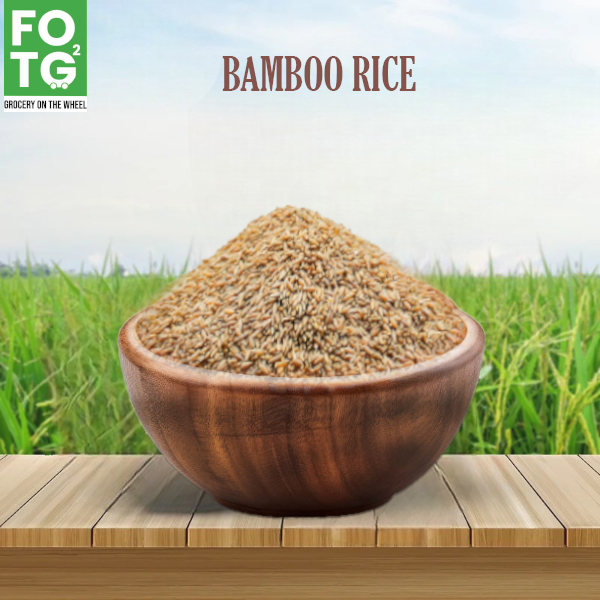
Bamboo Rice 1 Kg
Nutrition Facts (Per 100g)
Bamboo rice is a nutritional outlier. It has more protein than both wheat and regular rice and is exceptionally high in B-vitamins.
| Nutrient | Approximate Value (per 100g) |
| Energy | 330 – 350 kcal |
| Protein | 10.0g – 13.0g (Very High) |
| Fat | 0.5g – 1.0g |
| Carbohydrates | 70g – 74g |
| Dietary Fiber | 4.5g – 6.5g |
| Calcium | 5.0mg – 8.0mg |
| Phosphorus | 180mg – 220mg |
| Iron | 8.0mg – 10.0mg |
Choose Quantity
Key Health Benefits
1. Joint & Muscle Pain Relief
Bamboo rice contains high concentrations of Silica. In traditional medicine, it is the premier choice for treating joint pain, back pain, and rheumatic pain. It helps keep connective tissues healthy and lubricated.
2. Fertility & Reproductive Health
Tribal communities have used bamboo rice for centuries to enhance fertility. Research suggests that the seeds contain essential fatty acids and minerals that help regulate hormonal activity and improve reproductive health in both men and women.
3. High Protein for Muscle Repair
With a protein content reaching up to 13g per 100g, it is a superior plant-based protein source compared to white rice (which averages 2.7g). This makes it excellent for muscle recovery and growth.
4. Low Glycemic Index (GI)
Bamboo rice has a very low GI, making it an ideal substitute for diabetics.It provides sustained energy without the rapid insulin spikes associated with processed grains.
5. Cholesterol & Detoxification
It is rich in fiber and antioxidants that help scrape "bad" cholesterol (LDL) from the arteries. It also acts as a mild detoxifier for the liver and kidneys.