
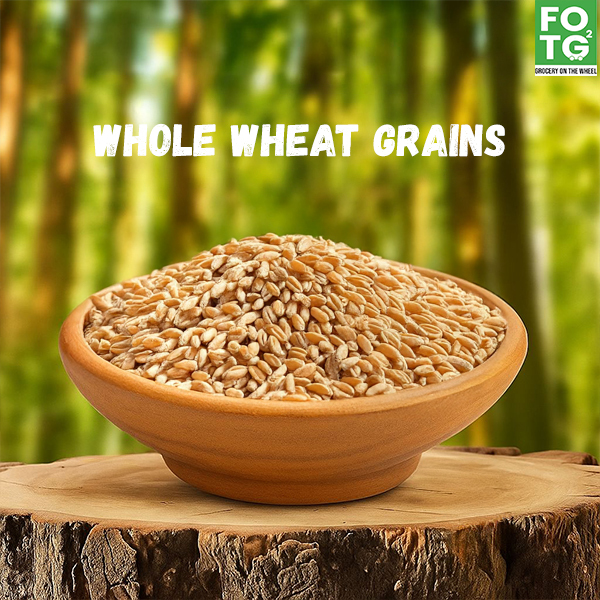
Whole Wheat Grains 1 Kg
Nutrition Facts (Per 100g, Raw)
Whole wheat is a dense source of energy, complex carbs, and essential minerals.
| Nutrient | Amount (approx.) |
| Calories | 339 kcal |
| Protein | 13.2g |
| Dietary Fiber | 10.7g - 12g |
| Carbohydrates | 71g |
| Total Fat | 2.5g |
| Manganese | 150% DV |
| Selenium | 100% DV |
| Magnesium | 144mg |
Choose Quantity
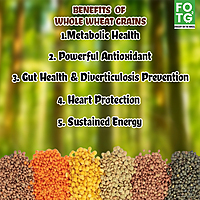
Key Health Benefits
1. Metabolic Health (Manganese & Magnesium)
Whole wheat is exceptionally high in Manganese and Magnesium.
Manganese acts as a co-factor for enzymes involved in bone formation and nutrient metabolism.
Magnesium helps improve insulin sensitivity by facilitating the action of over 300 enzymes, making whole wheat a better choice for blood sugar management than refined grains.
2. Powerful Antioxidant: Selenium
One of the "secret" benefits of whole wheat is its high Selenium content.Selenium is a potent antioxidant that supports thyroid function and protects the body from oxidative stress and DNA damage, which can help in preventing chronic diseases.
3. Gut Health & Diverticulosis Prevention
The insoluble fiber in the wheat bran adds bulk to the stool and speeds up its passage through the gut. Regular consumption of whole grains is one of the most effective ways to prevent diverticulosis (inflammation in the colon) and chronic constipation.
4. Heart Protection (Plant Lignans)
Whole wheat contains phytonutrients called lignans. These are converted by gut bacteria into compounds that protect against heart disease and even some hormone-related cancers (like breast cancer) by balancing estrogen levels.
5. Sustained Energy (Low Glycemic Load)
Because the fiber "packaging" is intact, the body takes much longer to break down the starches into glucose. This provides a steady stream of energy for your brain and muscles, preventing the "afternoon slump" often caused by white bread or rice.